BRICS Summit Adopts 140-Point Statement Seeking Financial Reforms, Avoids Naming U.S.
09/19/2026 / By Douglas Harrington

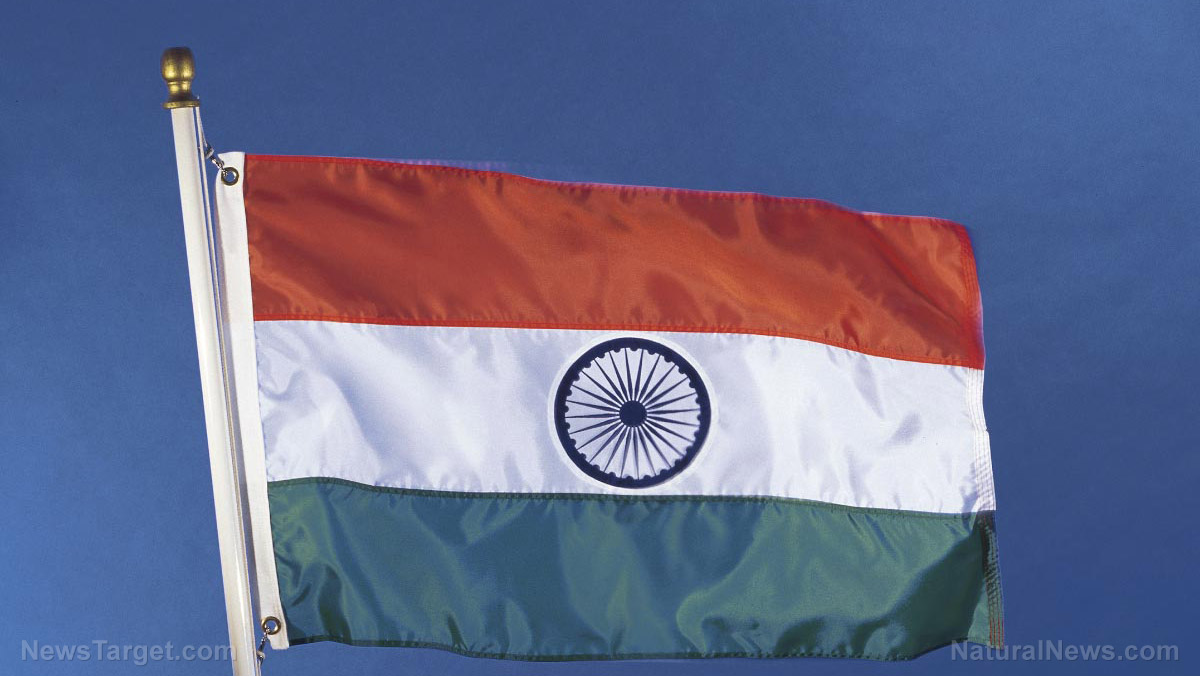
BRICS leaders adopted a 140-point joint statement on Sept. 12 at their annual summit in India’s capital New Delhi, calling for major reforms of Western-dominated financial institutions while avoiding direct mention of the U.S. or President Donald Trump, according to the text of the declaration [1][2].
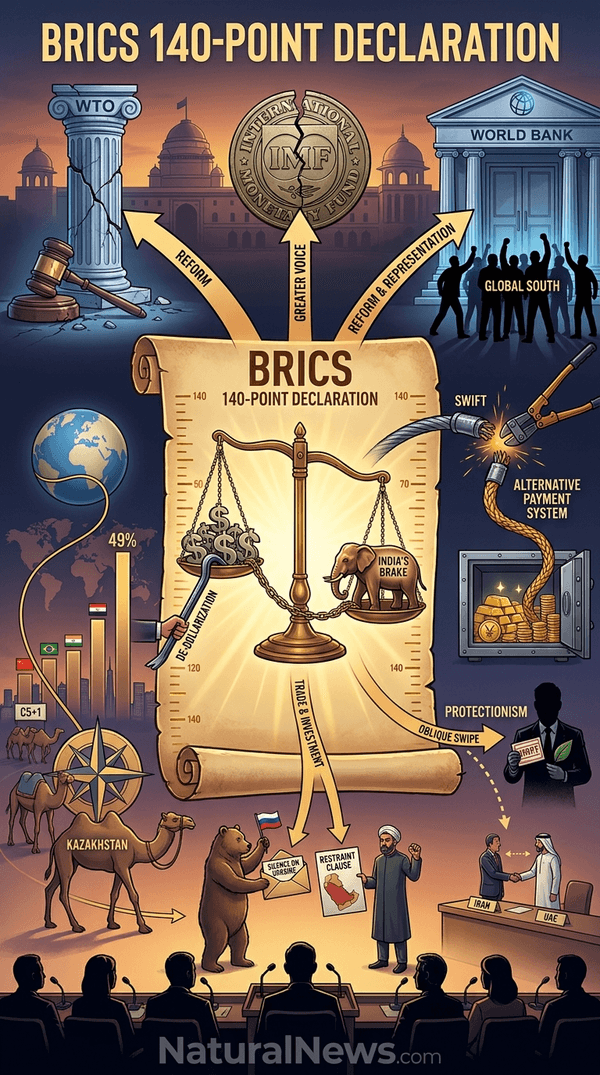
The statement calls for reforms of the World Trade Organization (WTO), International Monetary Fund and World Bank to give developing countries a greater voice in policymaking and practices, according to the document [3]. Indian Prime Minister Narendra Modi, who hosted the two-day gathering at the Bharat Mandapam convention center, called for reforms in representation, responsiveness and rule-making, and for a greater role for the Global South in international decision-making, according to his remarks [4].
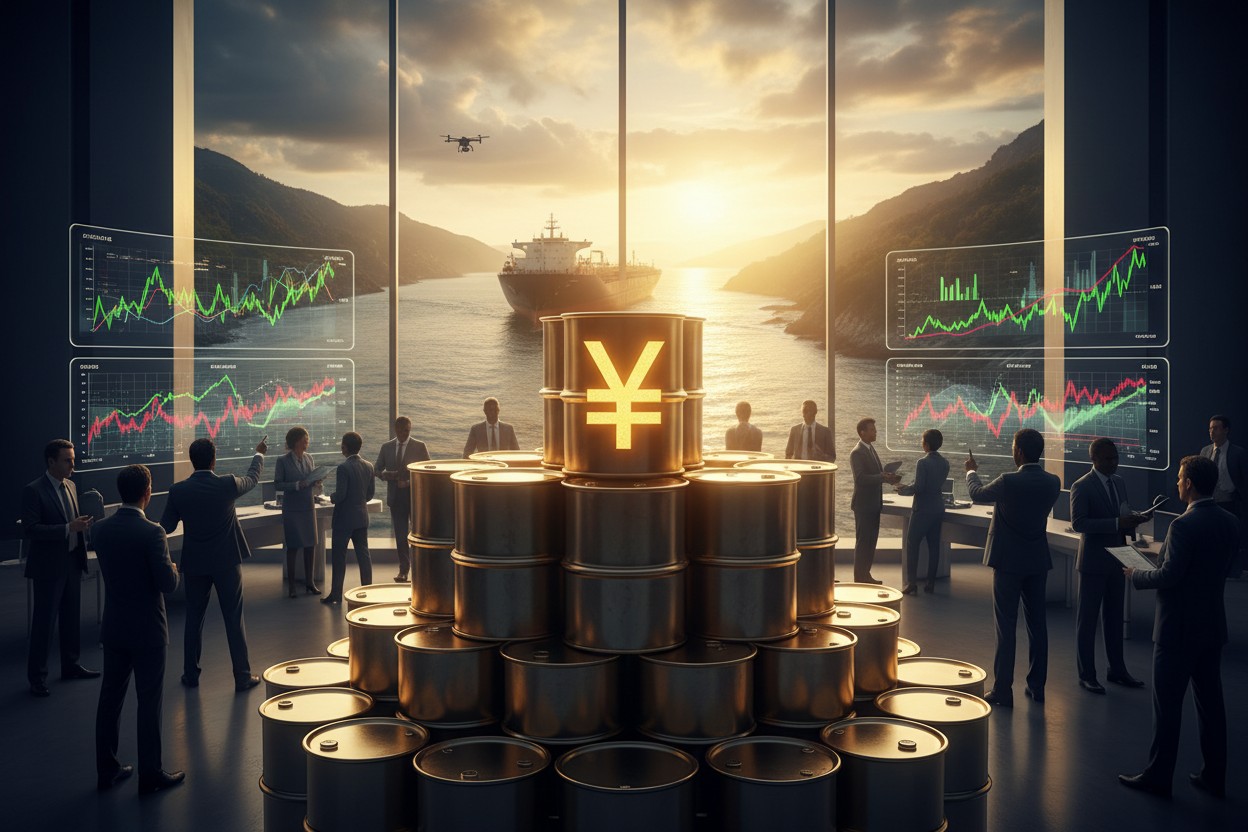
India, the host nation, has acted as a brake on efforts to de-dollarize the global economy, according to officials familiar with the talks [3][5]. Russia, China and other members have advanced plans for a new financial payment system to reduce reliance on the U.S. dollar and Western institutions, seeking to shield themselves from economic sanctions after Russia’s exclusion from SWIFT, according to previous reporting on the bloc’s initiatives [6].
Joint Statement Criticizes Trade Restrictions Without Naming U.S.
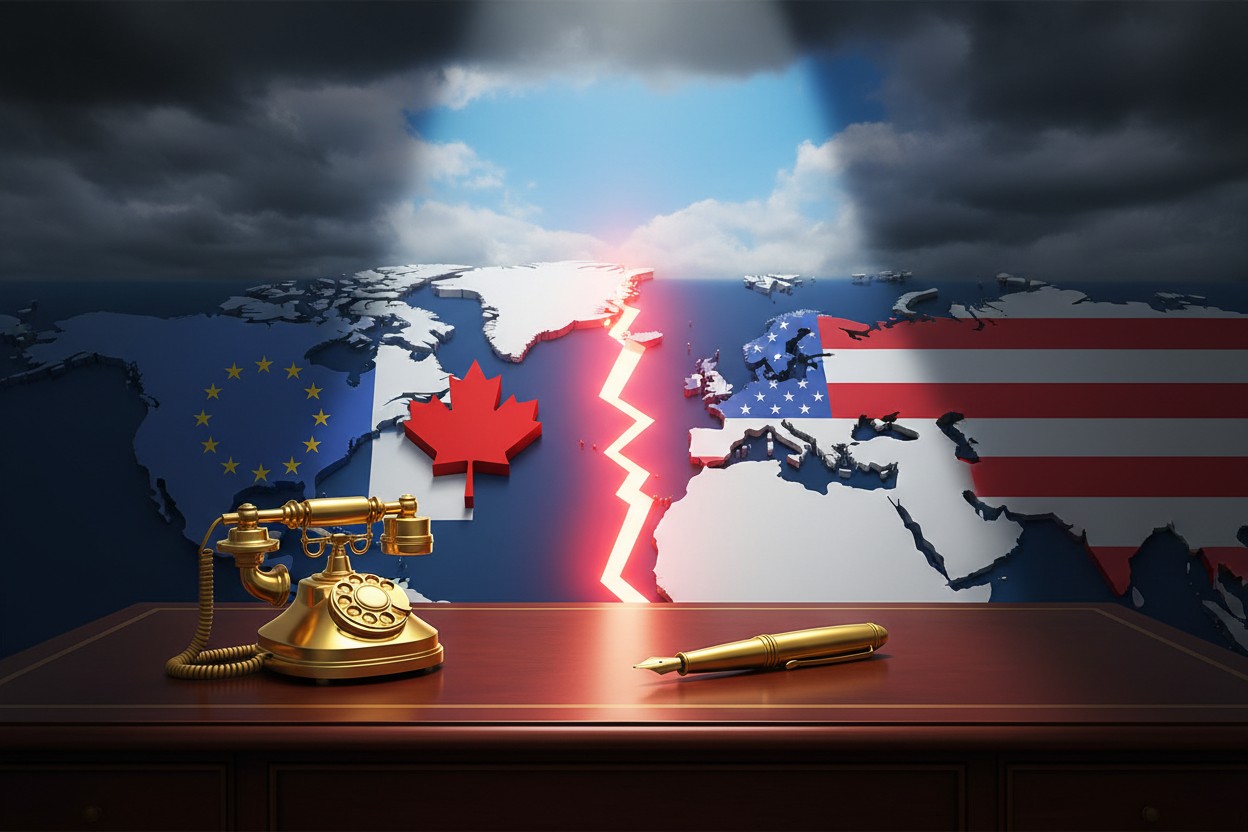
The joint statement notes a proliferation of trade-restrictive actions that are inconsistent with WTO rules, according to the document [3]. It cites the indiscriminate raising of tariffs and non-tariff measures, or protectionism under the guise of environmental objectives, the statement said [3]. Some provisions were described by analysts as oblique swipes at the Trump administration, though the statement does not name the United States [3].
The declaration was adopted by BRICS members including China, India, Iran and Russia, according to summit officials [2][7]. The statement was adopted on the first day of the BRICS leaders’ annual summit in New Delhi [1].
BRICS represents a significant share of the global population and economy. Russian President Vladimir Putin said BRICS accounts for 49% of global GDP growth and that its potential continues to grow, according to his remarks at the summit [8].
Statement Soft-Pedals Gulf War, Omits Russia-Ukraine Conflict
The statement calls for maximum restraint by all sides in the Gulf war involving the U.S., Israel and Iran, instead of adopting a clear position favorable to Tehran, according to the text [1]. “We express deep concern over the continued escalation of tensions in Middle East/West Asia and, recalling our respective national positions, call for exercising maximum restraint, as well as avoiding actions that could further aggravate the situation,” states the New Delhi Declaration [2].
The statement makes no mention of the Russia-Ukraine conflict, a development described by observers as a clear win for the Kremlin [3]. The declaration’s silence on Ukraine, coupled with its strong language on Middle East tensions, illustrates the compromises required to maintain consensus among members with divergent geopolitical alignments [3][9].
Iranian President Masoud Pezeshkian held a one-on-one meeting with Abu Dhabi Crown Prince Khaled bin Mohamed bin Zayed on the sidelines, a meeting designed to counter the image that the U.S. is economically isolating Tehran, according to Iranian officials [9]. A statement issued by Abu Dhabi officials was non-committal about future bilateral ties, saying the two discussed regional and international issues of mutual interest and emphasized a need to promote de-escalation and strengthen regional stability [9].
Central Asian Leaders Signal Divergent Priorities at BRICS
Uzbek President Shavkat Mirziyoyev passed over the summit in New Delhi, instead making a state visit to South Korea, where he promoted stronger economic ties, according to Uzbek officials [3]. South Korea hosted a gathering of leaders from all five Central Asian states in Seoul under a C5+1 format on Wednesday, Sept. 16, officials said [3].
Kazakh President Kassym-Jomart Tokayev adopted a middle-of-the-road stance consistent with Kazakhstan’s multi-vector foreign policy, seeking to balance the interests of China, Russia, the U.S. and the European Union, according to a Kazakh readout [3]. Tokayev said the erosion of the international security architecture and protracted conflicts are increasing the risk of a new arms race and strategic miscalculations, and called for high-level dialogue among nuclear powers to reduce nuclear risks, including those linked to new technologies [3].
Tokayev characterized BRICS as an open platform for practical cooperation that complements the United Nations-centered multilateral system and connects peoples, regions and markets [3][10].
Kazakhstan Seeks Concrete U.S. Cooperation, Tokayev Says
On the sidelines of the BRICS gathering, Tokayev met with Sergio Gor, the U.S. ambassador to India and the Trump administration’s special representative to Central Asian states, according to a Kazakh readout [3]. Tokayev told Gor he looks forward to participating in the G20 meeting to be held in Miami in December, the readout said [3].
Tokayev also indicated he expects faster progress on deal-making between Washington and Astana, and the repeal of Kazakhstan’s Jackson-Vanik trade status, according to the readout [3]. Tokayev said the Miami gathering will provide a good opportunity to discuss bilateral issues, adding, “We prefer concrete actions and practical steps to advance our mutual cooperation, rather than just words” [3].
The dual-track diplomacy reflects the balancing act Central Asian states face as they seek to maintain productive relations with both Western powers and the expanding BRICS bloc. As one analysis noted, the countries gathered around the same table have very different relations with the West, compete with each other on various issues, and yet are finding common ground on the need for a new global order [10].
References
- News Desk via The Cradle. “BRICS Urges ‘Maximum Restraint’ As US-Iran War Tests Unity At New Delhi Summit”. ZeroHedge.com. September 15, 2026.
- The Epoch Times. “BRICS Joint Statement Urges ‘Maximum Restraint’ in Middle East War”. The Epoch Times. September 13, 2026.
- Eurasianet via OilPrice.com. “BRICS Summit Takes Aim At US Influence Over The Global Economy”. ZeroHedge.com. September 16, 2026.
- NaturalNews.com. “Modi Calls for Global Governance Reform as BRICS Adopts New Delhi Declaration”. NaturalNews.com. September 15, 2026.
- RT.com. “BRICS: The gears of change keep grinding”. RT.com. September 11, 2026.
- Willow Tohi. “BRICS nations accelerate push to decouple from US dollar amid sanctions concerns”. NaturalNews.com. July 9, 2025.
- NaturalNews.com. “BRICS Leaders Gather in New Delhi for Two-Day Summit”. NaturalNews.com. September 13, 2026.
- RT.com. “LIVE UPDATES: BRICS driving global economic growth – Putin”. RT.com. September 13, 2026.
- BBC.com. “Iran war reshapes Brics ties but also exposes divisons”. BBC.com. September 13, 2026.
- Mishel Bychkova. “BRICS is no longer just a slogan”. RT.com. September 14, 2026.
Explainer Infographic
Submit a correction >>
Tagged Under:
alternative payment systems, big government, BRICS, BRICS summit, Central Asia, dedollarization, dollar demise, Donald Trump, financial reforms, foreign relations, freedom, International Monetary Fund, Kazakhstan, Liberty, New Delhi declaration, Russia-Ukraine war, United States, Uzbekistan, war on Iran, World Bank, World Trade Organization
This article may contain statements that reflect the opinion of the author
RECENT NEWS & ARTICLES